



A 2k vs 1080p camera comparison is really a question about detail versus bandwidth. 2K gives you more pixels and a sharper image; 1080p keeps storage and network costs down. Here is how to decide for a real installation.
2K vs 1080p Camera: Resolution, Detail and Cost
2K and 1080p are two different video resolution criteria with the following differences:
Resolution ratio
2K usually refers to a resolution of 2560×1440 pixels or 2048×1080 pixels, which can vary depending on the environment and requirements.1080p refers to a resolution of 1920×1080 pixels, also known as Full HD.
Number of pixels
2K has a higher number of horizontal and vertical pixels than 1080p, so the image is sharper and more delicate when displayed on a screen of the same size.
Application area
2K is commonly used for film making and digital film screenings, as well as some areas of professional video work.
1080p is a standard resolution widely used in home entertainment, TV programs, video games and other consumer areas.
Overall, 2K has higher resolution and picture quality performance than 1080p, but also requires higher performance devices to support it. When selecting a screen or device, you can decide which resolution to use based on the actual requirements.











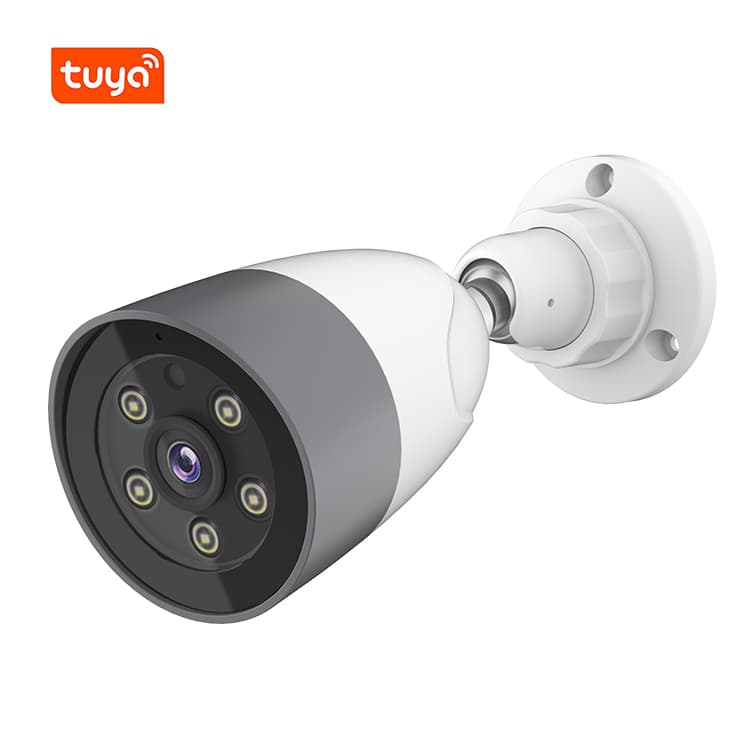


1080p vs 2K: When a 2K Resolution Camera Pays Off
Both resolutions are available factory-direct: see our 2K indoor cameras and 1080P indoor cameras.

